 EN
EN  HI
HI  RU
RU  ES
ES  FR
FR 

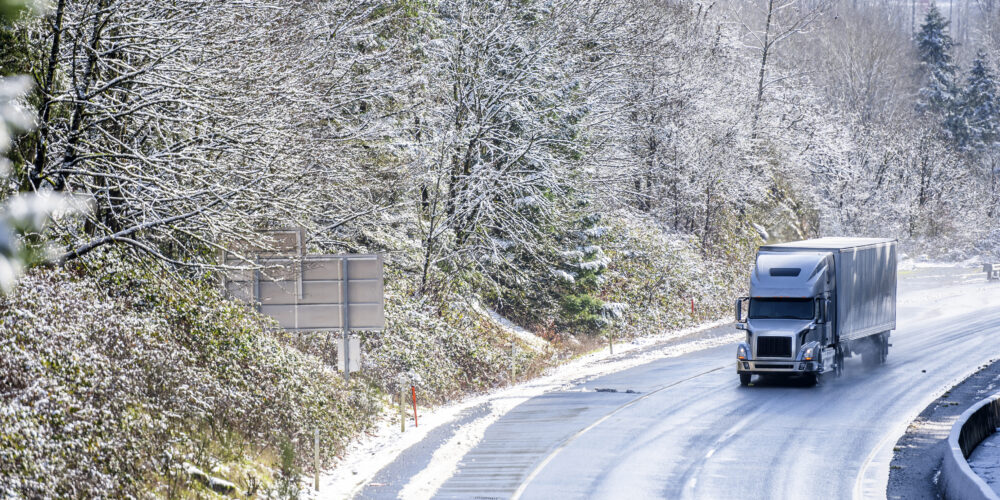
As summer fades away, it’s time to gear up for winter, especially with Colorado’s chain law kicking in on September 1. This annual shift means it’s crucial for drivers to familiarize themselves with the often confusing landscape of state chain laws, which can significantly impact their day and wallet.
Ignoring chain laws isn’t an option. With fines soaring to nearly $900 for violations and penalties exceeding $1,000 for causing highway blockages, knowing when to carry, install, and utilize chains is vital for both safety and financial well-being.
The Basics of Chain Requirements
Chain laws typically fall into three categories: requirements for carrying chains, mandates for their use, and restrictions on use. However, the specifics can vary greatly from one state to another, making it essential to stay informed.
Enforcement periods can differ widely—Colorado enforces its chain law from September 1 to May 31, while other states have more limited seasonal requirements. For instance, in Nevada, chains may not be required at certain times but must be used when conditions warrant and when posted signs indicate.
Generally, only one set of chains is necessary for a semi-trailer to comply with most regulations. However, California drivers may need as many as eight chains during the winter months.
For commercial drivers, the rules are stricter than for passenger vehicles. Heavy-duty trucks (over 6,500 pounds) equipped with snow tires are not exempt from chain requirements; chains must be installed whenever chain controls are in effect.
States with Strict Chain Laws
- Colorado: Known for its rigorous enforcement, the state mandates that all trucks carry sufficient chains on specific routes and install them as conditions require. Oftentimes, the Port of Entry in Colorado will check trucks to ensure chains are being carried. Key points include:
- Enforcement Period: September 1 to May 31
- Carry Requirement: Trucks must have chains between mile markers 259 and 133 on I-70.
- Installation Requirement: Chains on all four drive tires when conditions warrant.
Penalties for non-compliance are significant:
- $50 fine for not carrying chains
- $500 fine for failing to install chains
- $1,000 fine for blocking the highway due to non-installation.
- Oregon: Starting September 25, Oregon imposes a minimum $880 fine for not using chains when required, with all highways subject to these laws. Drivers must have six chains on hand.
- California: While there are no specific periods for carrying chains, compliance is mandatory when chain controls are enacted. Drivers must stop to install chains at checkpoints when indicated by highway signs.
Drivers will usually have about a mile between “chains required” signs and the checkpoint to install their chains. When these screens are present, all heavy-duty trucks must stop and show Caltrans personnel that they have the required chains on board to proceed. Trucks without chains will be directed to return to a lower elevation until the weather improves.
California uses a three-tier system:
- R1: Chains required on drive axles except for 4WD vehicles
- R2: Chains required on all vehicles except 4WD with snow tires
- R3: Chains required on all vehicles, no exceptions
- Washington: Vehicles over 10,000 pounds must carry at least two extra chains for emergencies. Chains must have specific construction requirements to ensure safety.
- Nevada: No year-round chain requirement, but drivers must chain up in icy conditions as indicated by roadside signs. Non-compliance can result in a $58 fine.
Quick Reference: State Requirements and Penalties
Colorado: September 1 – May 31; fines from $50 to $1,000+
Oregon: $880 minimum fine
Utah: Up to $1,000 fine for violations
Nevada: $58 plus court costs
Washington: Up to $750 for highway closure violations
Choosing the Right Chains
Not all chains are equal. States may specify acceptable types, including traditional link chains, cable chains, automatic tire chains, and textile devices. However, studded tires and snow tires alone typically do not meet chain law requirements.
Installation Tips
Installing chains doesn’t have to be a daunting task. Although experienced drivers have their own tricks to installation, here is a basic procedure on how to do it safely and effectively:
1. Find a safe area away from traffic for installation, if possible.
2. Lay chains flat with hooks facing up.
3. Drape the chains over the tire, ensuring even placement.
4. Secure the inner connections first, then the outer ones.
5. Drive forward a few feet and double-check all connections.
Putting chains away after use is the best way to be ready for the next time chains are required. A well-folded and organized chain is much easier to lay out than one that was just piled up and thrown into the side box.
Remember to install chains on the drive axle and keep speeds to a maximum of 30-35 mph once they’re on.
The Business Perspective
While chain laws are crucial for safety, some fleets prefer a different approach during winter. Many encourage drivers to prioritize safety over compliance with chain laws, advising them to stay off the roads if conditions are too hazardous. The costs associated with chaining up—time, damage and operational delays—can be significant.
Planning Ahead for Winter 2025
Preparation is key as we approach the winter season:
- Check DOT websites for the latest chain law updates.
- Ensure your equipment meets state requirements.
- Practice installing chains in good weather.
- Identify safe areas for chaining up along your routes.
Keep an eye on weather forecasts, build extra time into your schedules, and be ready for potential delays. Understanding chain laws is critical as we head into winter. With penalties on the rise and regulations becoming more complex, drivers must be prepared.






 Log In