 EN
EN  HI
HI  RU
RU  ES
ES  FR
FR 


If you’re looking to operate commercial vehicles weighing over 26,001 pounds—such as tractor-trailers, box trucks, and passenger vehicles designed for 15 or more passengers—you’ll need to pass the Commercial Driver’s License (CDL) test. This process involves several required steps, including both written and practical assessments. Let’s break it down.
Starting with the Commercial Learners Permit (CLP)
The journey begins with obtaining a Commercial Learners Permit (CLP). Here’s how to get started:
Study the Guide: Obtain the study guide from your state’s DMV and review it thoroughly before taking the written test.
Take the Written Test: You will need to pass a written exam that includes:
- General Knowledge: Required for all CDL applicants.
- Combination Vehicles: Necessary if you’re aiming for a Class “A” CDL.
- Air Brakes: Required for those operating vehicles equipped with air brakes.
Additionally, if you plan to work in specialized operations, you may need to take extra endorsement tests for:
- Tank Vehicles
- Hazardous Materials
- Passengers
- School Buses
- Doubles/Triples Trailers
To obtain your CLP, you’ll typically need a passing score of around 80% on these tests.
Training to Earn Your CDL
Once you secure your CLP, the next step is to find a training provider to help you earn your CDL. Ensure they are listed on the Entry-Level Driver Training (ELDT) Registry. ELDT is mandatory for:
- First-time CDL applicants (including Class A or B CLP holders).
- Drivers upgrading from Class B to Class A.
- Those adding Hazmat, Passenger, or School Bus endorsements (written test only).
Remember, you must hold your CLP for at least 14 days before taking the CDL test, and all ELDT training requirements must be met beforehand.
Scheduling the CDL Skills Test
Typically, the CDL test will be scheduled with a third-party tester through your training provider. The skills test consists of three key stages:
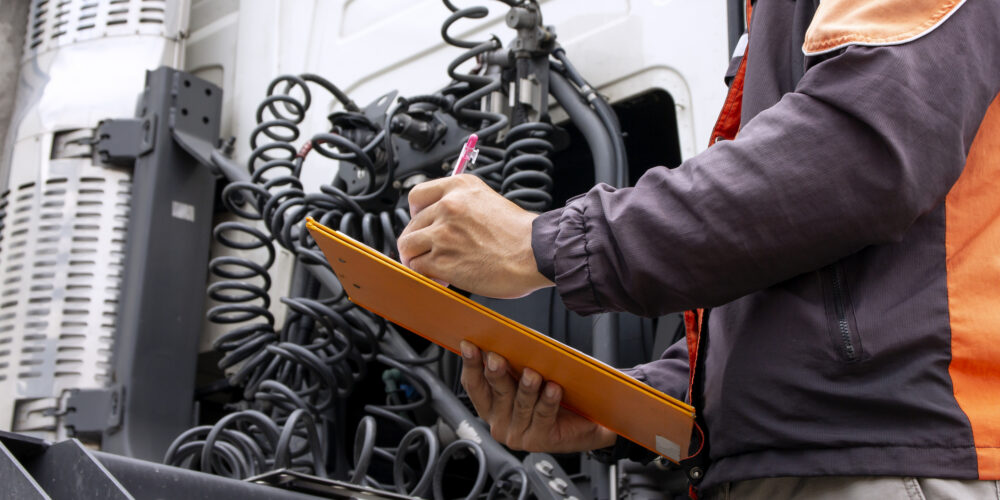
Pre-Trip Inspection Test:
Identify various parts of the vehicle and explain potential defects.
Basic Maneuvering Test:
- Primarily a backing test, this includes:
- Straight-line backing
- Offset backing (right or left)
- Alley dock
- Parallel parking
Road Test:
An on-road performance evaluation focusing on:
- Basic vehicle control
- Navigating intersections and turns
- Shifting techniques
- Speed and traffic management
- Defensive driving methods
Only after successfully completing all three stages will you be considered to have passed the test.
Understanding Endorsements and Restrictions
In addition to endorsements, there are restrictions you should be aware of:
- “L” Restriction: You cannot operate a vehicle with air brakes.
- “K” Restriction: Limits you to intrastate operations only.
- “E” Restriction: Permits operation of vehicles with an automatic transmission, applicable if your skills test was taken in an automatic vehicle.
Preparing for the CDL test involves multiple steps, from obtaining your CLP to completing training and passing various tests. Understanding the structure and requirements of the CDL testing process will help you navigate this essential journey in becoming a professional driver.



 Log In